Hullray by Cevonic
Livestock
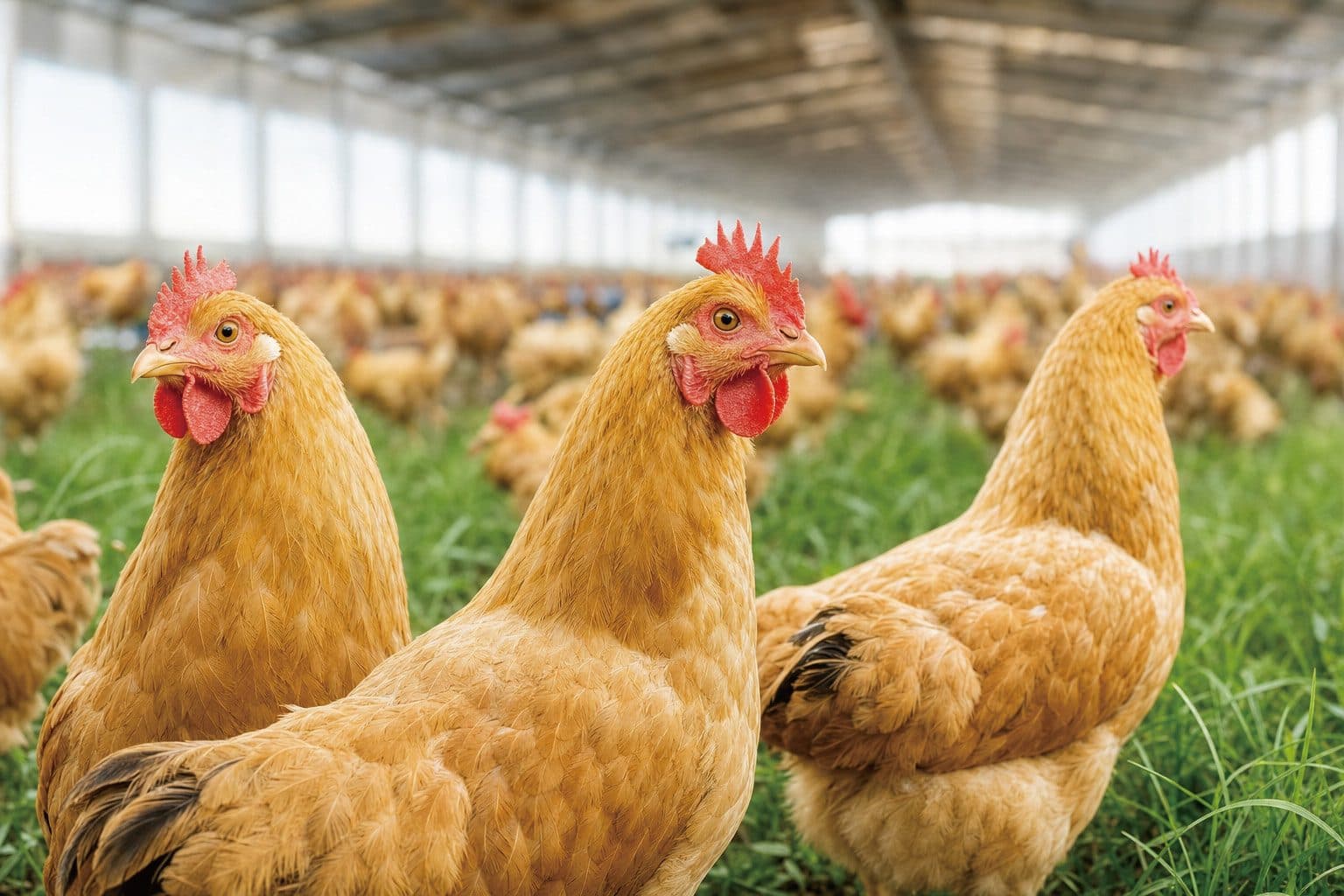
Hullray by Cevonic is the livestock range. Tubes, bulbs, high-bays and floods use FTC ceramic LEDs, livestock spectra and 0–10 V dimming, with housings built for ammonia, hydrogen sulfide, dust and washdown.
Why it matters
Ceramic LED lighting for poultry, swine, cattle and horses.
Higher yields and revenue
Spectra and day length are set for meat, milk and eggs, and for the income that follows.
Programmable day length
0–10 V dimming and scheduled photoperiods cover each growth stage and take the daily on/off routine off the crew.
Health checks and cleanliness
Even, high-visibility light is specified so staff can watch the herd, catch illness earlier and keep the building clean.
Welfare and compliance
Documented photoperiods and flicker-free dimming are positioned against stricter welfare rules and farm certification.
Lower operating cost
Sealed fixtures with an 8-year luminaire warranty are meant to cut replacements in barns that destroy ordinary LEDs.
Species
Cattle, swine, poultry and equine.
Ducks and pigeons sit with poultry. The cut-outs are on white.
Cattle
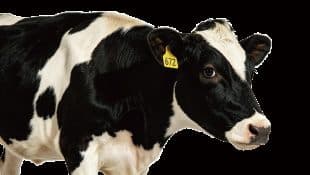
A 16-hour light cycle can raise milk yield by up to 20%. Wide, shadow-free coverage is meant to keep feeding steady through the year.
Swine
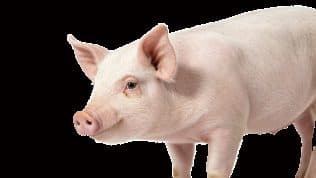
Photoperiod programs are used to support farrowing rate and litter size. Even light in the farrowing house is there to reduce accidental crushing.
Poultry
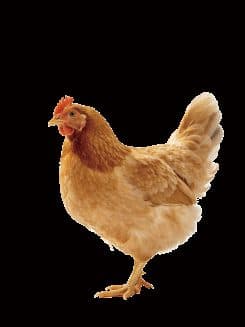
Spectra for chickens, ducks and pigeons target feed conversion, laying cycles and shell quality. Flicker-free sunrise-to-sunset dimming is meant to limit panic and smothering.
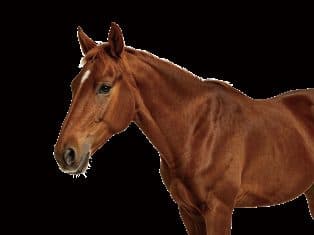
Equine
Uniform light is meant to keep horses calm in the stall and the arena. Timed programs are used for winter coat and to advance the estrous cycle in broodmares.
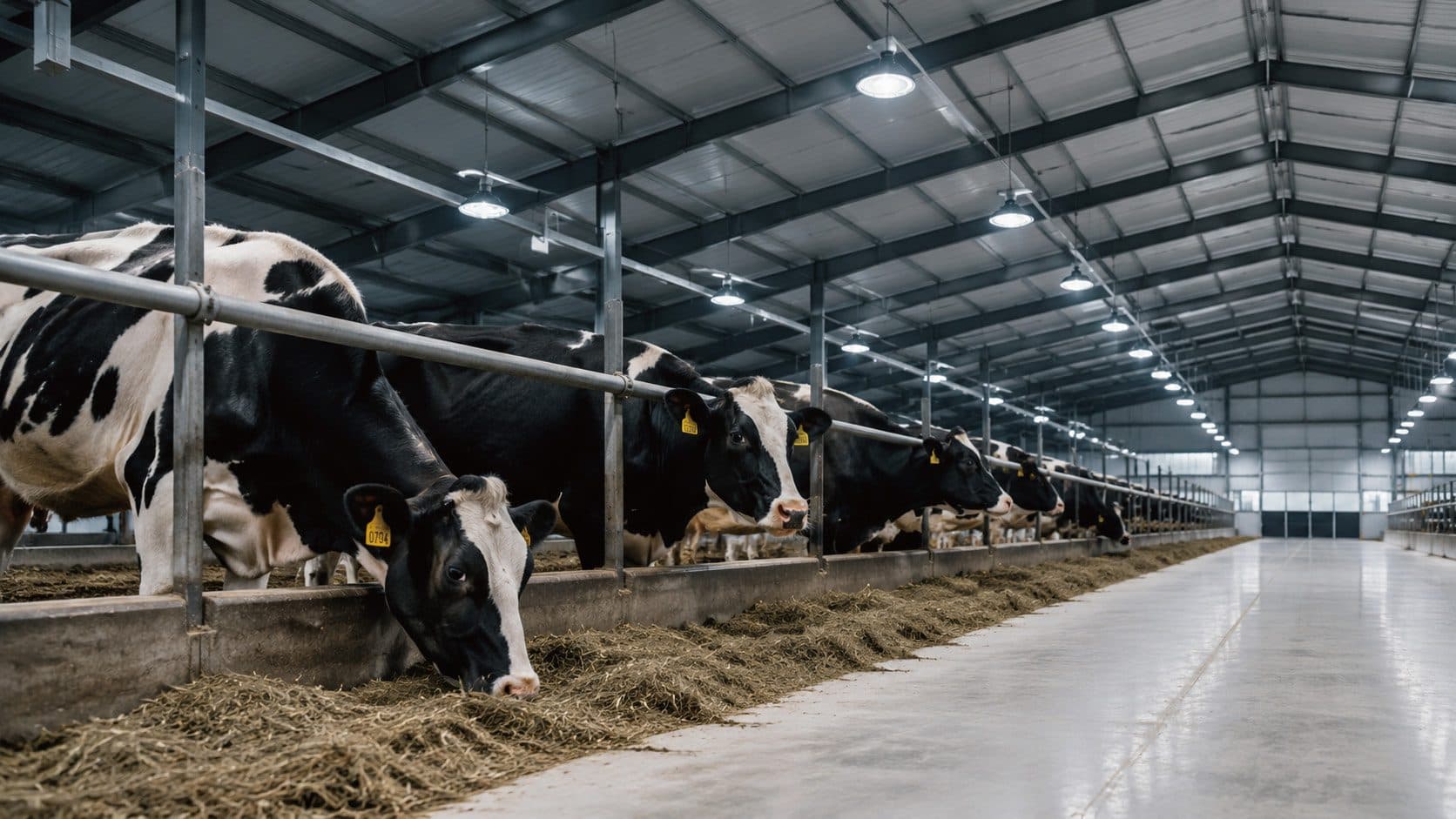
Where it goes
From layer cages to high-bay cattle barns.
T21 and HB01 cover the tall cattle and equine volumes. T5, T8, D80 and D150 cover poultry. T16 covers swine, cattle and horses. IDS01 and SC01 run the schedules.
Catalog
Luminaires
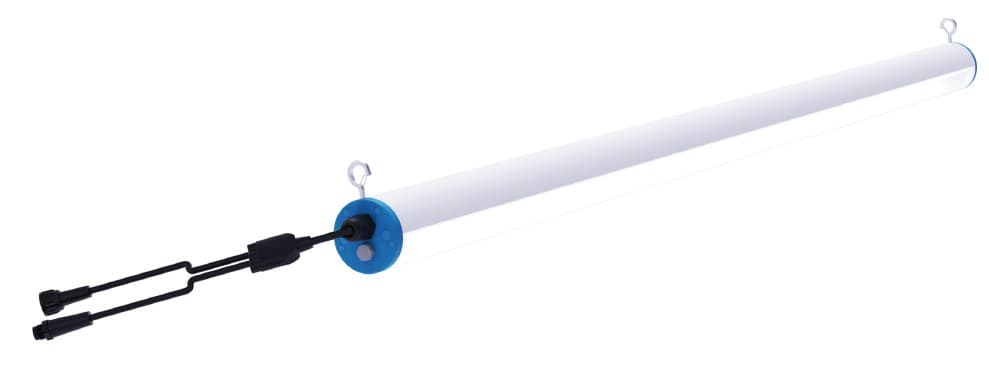
T21
Premium linear for cattle and equine
30 / 50 / 60 / 70 W
- Cattle
- Equine
- Food farming

T16
Tube for swine, cattle and equine
20 / 24 / 30 W
- Swine
- Cattle
- Equine
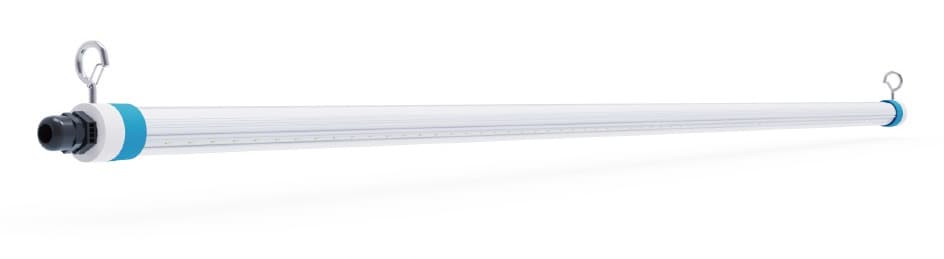
T8
Tube for pig and poultry houses
10 / 18 / 20 / 24 W
- Poultry
- Duck
- Pigeon
- Swine
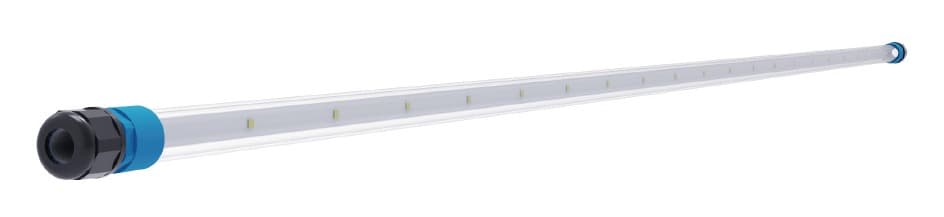
T5
Linear for layer poultry
3 / 4 / 5 / 6 / 8 W
- Layer poultry
- Duck
- Pigeon
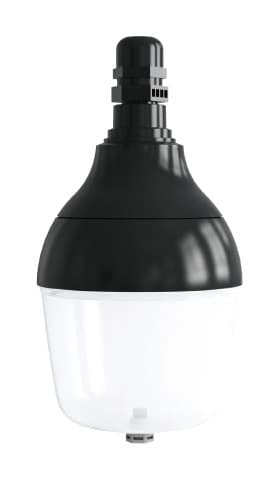
D80
E27 poultry bulb
7–15 W, plus 10 W+5 W
- Poultry
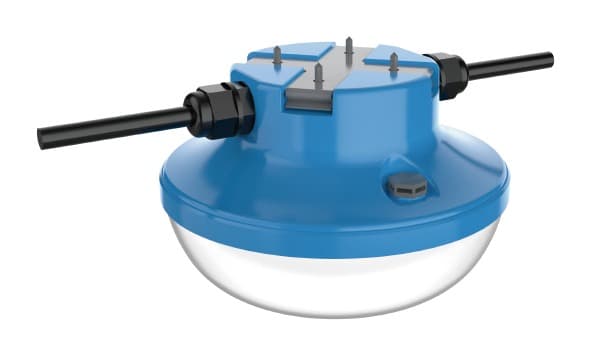
D150
Poultry luminaire
15 W
- Poultry
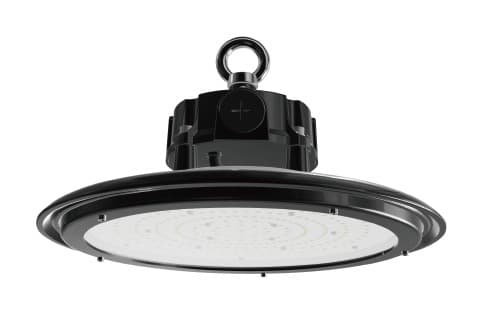
HB01
High-bay, standard and dual-circuit glass
60–150 W; dual-circuit 150 W
- Cattle
- Food processing
- Industrial
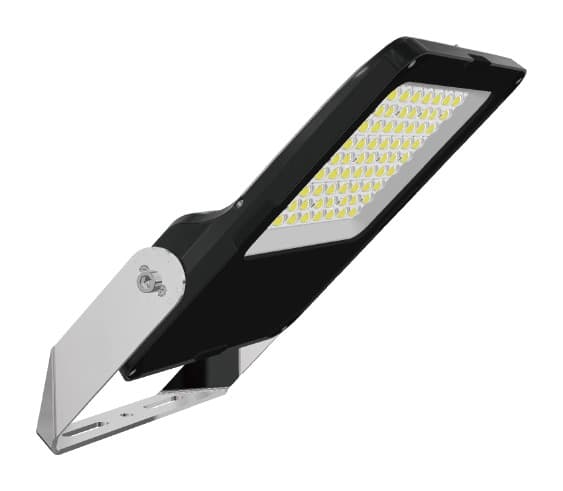
FL01
Ceramic floodlight
50 / 80 / 100 / 150 / 200 / 300 W
- Cattle
- Indoor barns
- Outdoor yards
Catalog
Smart controls
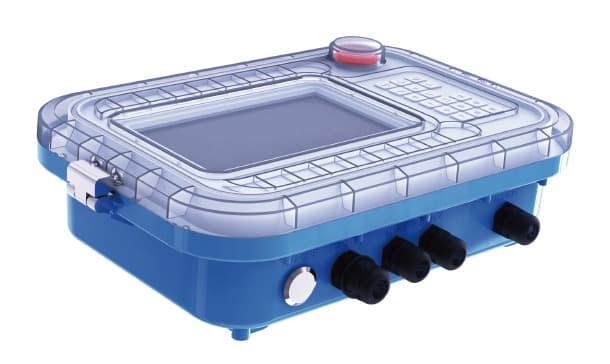
IDS01 is the dimmer and timer. SC01 converts RS485 into white and colored dimming channels.
Scenarios
Typical sites
- Poultry housing, layers and broilers
- Swine barns
- Dairy and beef cattle facilities
- Horse barns and arenas
- Manure processing zones
- High-temperature, high-humidity disinfection areas
- 24-hour supplemental light for brooding
Plan the livestock layout.
Share the building size, mounting height, species or crop, and whether you need dimming. We reply with a proposed layout and a quotation.